
Washington, D.C. – October 1, 2025 – The United States federal government entered a partial shutdown at midnight on September 30, plunging hundreds of thousands of federal workers into furlough and disrupting non-essential services across the nation. The impasse stems from a heated congressional deadlock over a temporary funding bill, with partisan lines drawn sharply over extensions to Affordable Care Act (ACA) subsidies. Republicans in Congress pushed for a “clean” continuing resolution that would maintain government funding without including the ACA subsidy extensions, arguing that such measures should be addressed separately to avoid bloating the budget. Democrats, however, refused to back down, demanding the inclusions to prevent imminent premium hikes that could affect an estimated 22 million enrollees.
“This isn’t just about numbers—it’s about protecting working families from skyrocketing healthcare costs,” said the Senate Majority Leader in a statement late last night.
Adding fuel to the fire, some Republican lawmakers raised concerns that the subsidies could indirectly benefit undocumented immigrants, but these claims have been widely debunked by independent experts and fact-checkers. Analyses from nonpartisan organizations like the Congressional Budget Office confirm that ACA subsidies are strictly limited to eligible U.S. citizens and legal residents, with no provisions for undocumented individuals.
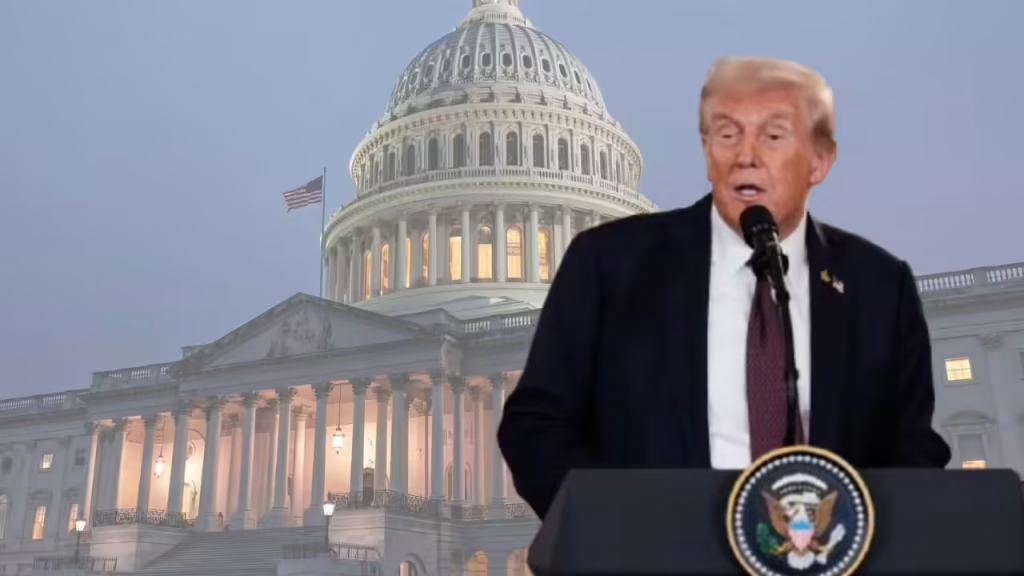
While the shutdown halts non-essential operations, critical functions remain intact to minimize immediate public harm. Military operations, air traffic control, and law enforcement continue without interruption, as do entitlement programs such as Social Security payments and Medicare. However, the closure has already led to the shuttering of national parks, museums, and other federal facilities, leaving tourists and employees in limbo. Federal agencies like the National Park Service have begun notifying visitors of immediate closures, with rangers redirecting crowds at popular sites like Yosemite and the Grand Canyon.
Economists warn of significant ripple effects on the broader economy. Projections from the U.S. Chamber of Commerce and Moody’s Analytics estimate daily losses ranging from $1 billion to $2 billion, stemming from delayed federal contracts, reduced consumer spending by furloughed workers, and halted regulatory approvals. Small businesses reliant on government services, such as those in tourism-heavy areas, are expected to bear the brunt of the impact. “Every day this drags on, we’re talking about real economic pain for everyday Americans,” noted one analyst.
As negotiations resume today, both sides have signaled a willingness to compromise, but entrenched positions on healthcare funding suggest a quick resolution may be elusive. The House Speaker and Senate leaders are scheduled to meet with White House officials this afternoon, amid growing public frustration. Polls indicate that a majority of Americans blame congressional gridlock for the shutdown, with approval ratings for both parties taking a hit.


