
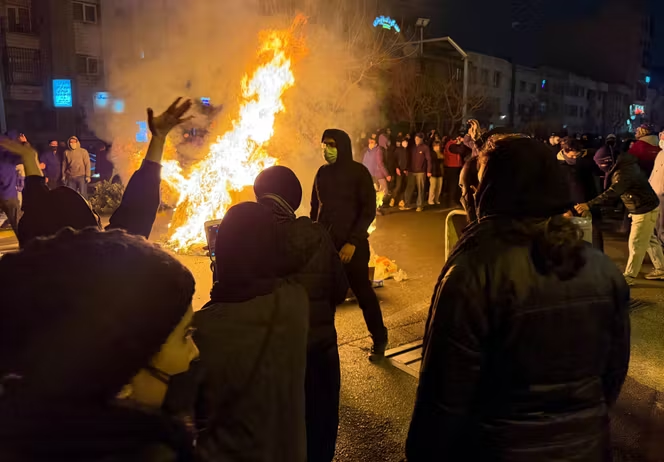
Tehran, Iran – January 14, 2026 – What began as scattered demonstrations over economic hardships in late December 2025 has erupted into a nationwide uprising in Iran, with protesters in more than 50 cities openly calling for the end of the Islamic Republic’s rule. Crowds have taken to the streets waving pre-1979 imperial flags, symbols of Iran’s monarchy era, while chanting slogans against the supreme leader and demanding sweeping regime change amid a brutal security crackdown that has left hundreds dead.
The unrest was initially triggered by the rapid devaluation of the Iranian rial, which has plummeted to historic lows, exacerbating skyrocketing food prices and widespread allegations of government corruption. Protesters, many of them young and from diverse socioeconomic backgrounds, have transformed these economic grievances into broader political demands. Women have been at the forefront, defying strict dress codes and risking arrest to advocate for basic freedoms, including the right to remove their hijabs in public—a potent symbol of resistance against decades of enforced religious policies.
Human rights organizations monitoring the situation have reported a staggering death toll, with estimates ranging from 544 confirmed fatalities to over 2,000, based on eyewitness accounts and leaked medical records. Security forces, including the Islamic Revolutionary Guard Corps (IRGC), have been accused of using live ammunition against unarmed crowds, leading to scenes of chaos in major cities like Tehran, Isfahan, and Mashhad. Videos circulating on social media show protesters clashing with riot police, buildings set ablaze, and makeshift barricades in urban centers. Amnesty International has condemned the response as “a ruthless suppression of dissent,” urging the international community to intervene.
In a bold show of international support, U.S. President Donald Trump addressed the protesters directly via a video message, encouraging them to “keep going and take over institutions.” He declared, “Help is on its way,” while announcing new economic measures, including 25% tariffs on any nations continuing trade with Iran. The move aims to further isolate the regime, building on existing sanctions that have crippled Iran’s economy. Senator Lindsey Graham (R-SC) lauded Trump’s stance, stating at a press conference that the U.S. is “finally siding with the Iranian people over the Ayatollah and his oppressive regime.”
Iranian state media has downplayed the protests, labeling them “foreign-orchestrated riots” and claiming that security forces are only responding to “violent agitators.” Supreme Leader Ayatollah Ali Khamenei has not publicly addressed the demonstrations, but hardline officials have vowed to crush the movement, with internet blackouts reported in several provinces to hinder coordination among protesters.
As the death toll climbs and calls for regime change grow louder, analysts warn that Iran could be on the brink of a pivotal moment. “This isn’t just about bread prices anymore—it’s a direct challenge to the theocracy’s legitimacy,” said Dr. Elena Rostami, an Iran expert at the Middle East Institute in Washington, D.C. With winter conditions adding to the hardships and no signs of de-escalation, the world watches to see whether these protests will fizzle out or ignite a broader revolution.
The international response remains mixed. European Union leaders have expressed concern over human rights violations but stopped short of endorsing regime change, while neighboring countries like Saudi Arabia have quietly voiced support for the protesters. As of now, the Iranian government shows no inclination toward dialogue, raising fears of further bloodshed in the days ahead.


